

It’s Not Rocket Science—Your Growth is the Real Launchpad for Innovation!
Things what sharing this week #4

Dear Reader,
I have a lot of exciting things to share with you this week, but something amazing caught my attention.
Did you see the moment when a SpaceX booster returned to the very tower it launched from? It’s a sight that shows off innovation, smart engineering, and a bit of magic—yes, magic in science!
To understand this incredible feat, let’s take a moment to look at what makes up a rocket.
So, What Exactly Is a Rocket?
A rocket is essentially a vehicle designed to travel out of Earth’s atmosphere into space. These vehicles can carry all sorts of things, from satellites to astronauts, or even rovers. Let’s break down the main parts of a rocket:
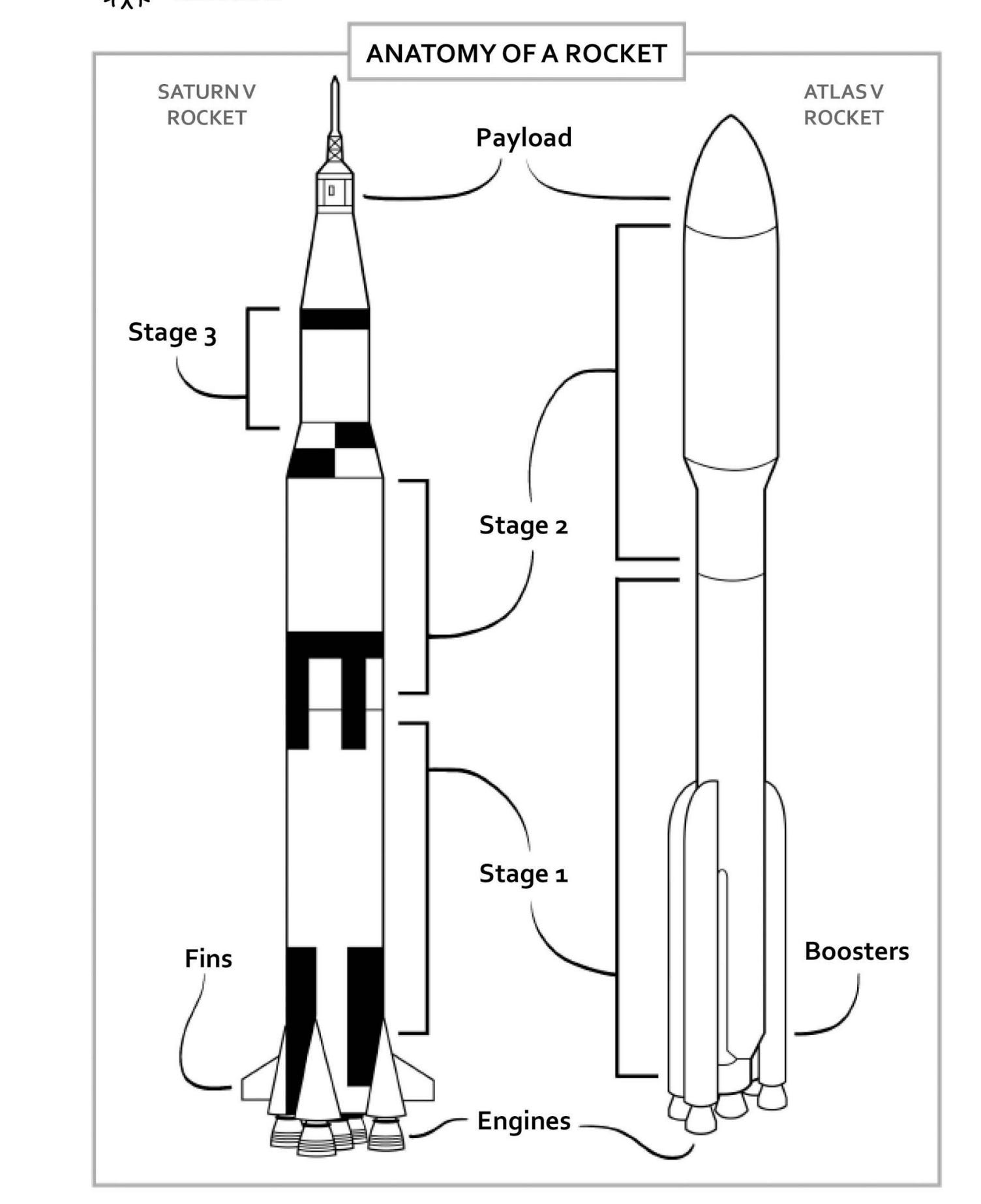
Payload: This is the "cargo" the rocket carries into space. It could be a satellite, telescope, or even supplies for the International Space Station.
Stage 1: This is the bottom part of the rocket. It contains the main engines that provide the power to lift the rocket off the ground. However, it’s usually not strong enough to get the payload all the way into space.
Stage 2: Once Stage 1 runs out of fuel, Stage 2 takes over. Since it’s already so high up, it doesn’t need as much power as Stage 1. The first stage is usually discarded at this point.
Boosters: Some rockets also have extra engines attached to help push the payload into space. These boosters give an extra kick and are jettisoned after use.
Engines: Located at the base, these engines burn fuel to create thrust, pushing the rocket upward. Some engines burn continuously, while others can be adjusted or even restarted mid-flight.
How Were Rockets Launched Before?
Traditionally, when rockets launched, the first stage, or booster, would simply fall back to Earth and crash into the ocean. They couldn’t be reused, which made space travel very expensive. Imagine throwing away your car after one road trip—it’s not exactly efficient!
These boosters were single-use, meaning the cost of each rocket launch was astronomical. Rockets would lift off, deliver their payload, and the most expensive parts would fall back into the ocean, never to be used again.
Here’s where SpaceX shook things up
They engineered their rockets, specifically the Falcon 9, to bring the booster back to Earth in one piece. Instead of crashing into the ocean, the booster performs a controlled landing—returning upright to the launch pad or a nearby ship.
It’s like flipping a pencil in the air and catching it on its tip.
Crazy, right? But this advancement allows them to reuse these boosters, cutting down costs dramatically and making space travel more sustainable. We’re talking about more frequent missions and, in the long run, making it possible for us to travel deeper into space.
The Real Moral of the Story
It’s easy to focus on the technology or the man behind it, Elon Musk, but here’s the thing: money is useful—after all, it buys the resources needed for innovation. But the real heroes are the teams of smart, dedicated people who made it work. They’re the ones pushing boundaries and making these incredible feats possible.
Just like how a pizza needs good dough (resources), it’s the toppings—the people—that make it truly delicious.
So, here’s what I want you to take away: Aim for excellence in everything you do. The rewards may not come instantly, and people might not always see what you're doing, but trust me, a massive innovation awaits your expertise. Keep growing, be intentional, and keep pushing the boundaries of what you can achieve.
Until next time,
Jummie